Become a Community Health Worker in Orange County: A New Path to Impact Through Harm Reduction Circle
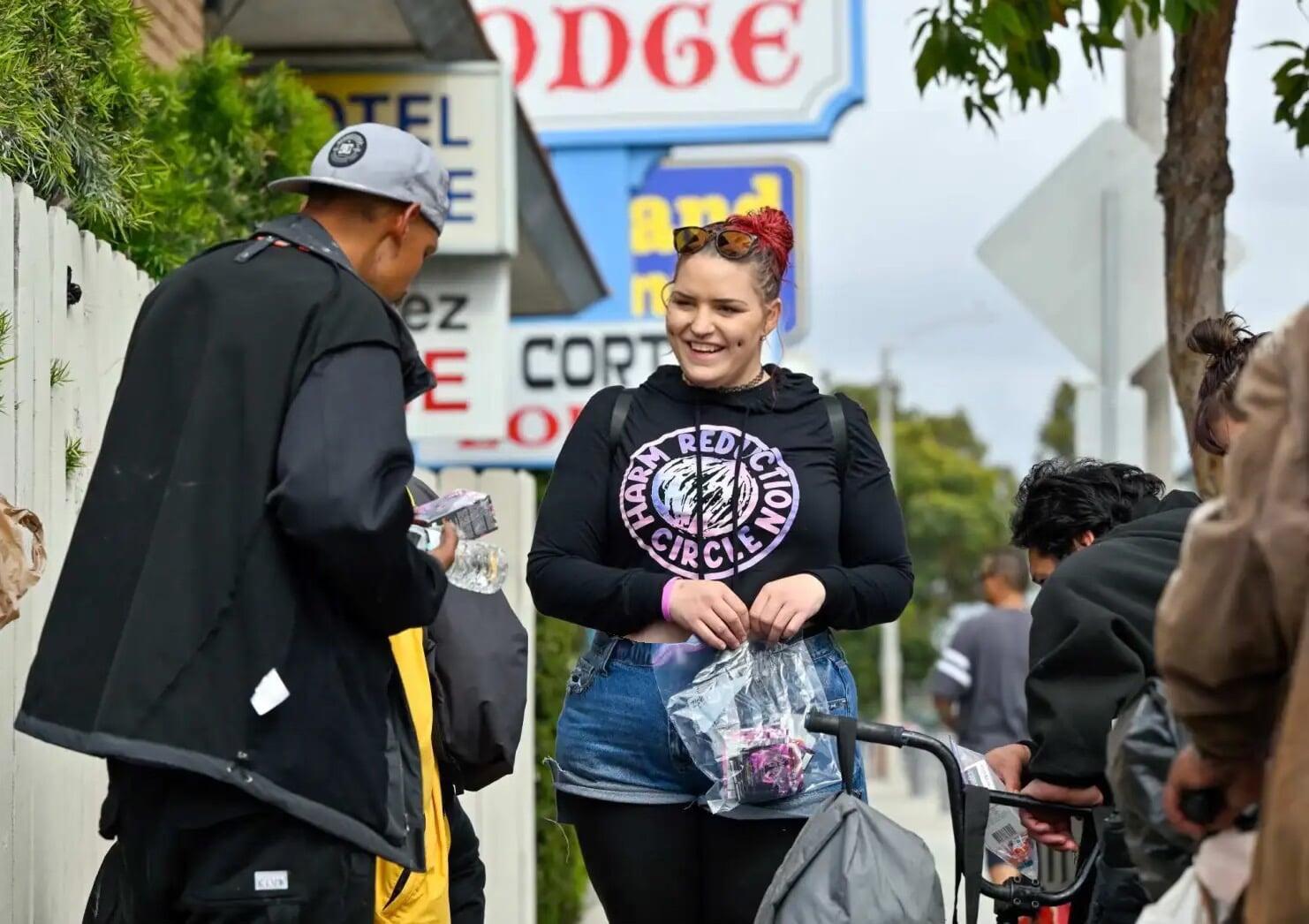
Every day across Orange County, people who use drugs, unhoused neighbors, and individuals navigating barriers to care cross paths with volunteers who show up with compassion, dignity, and nonjudgmental support. These encounters save lives. They build trust. They create pathways toward health, stability, and connection.
Harm Reduction Circle is excited to announce a new opportunity for volunteers and emerging peer leaders: the Community Health Worker (CHW) Certification Training Program, fully aligned with Medi-Cal’s CHW core competencies and field experience requirements. This program is designed for people who want to deepen their impact, expand their skillset, and become a bridge between vulnerable communities and the health systems meant to serve them.
What Is the CHW Certification Program?:
Our CHW Certification Program prepares volunteers and frontline outreach workers to take on advanced roles in overdose prevention, health navigation, and person-centered care. The curriculum is rooted in:
Evidence-based harm reduction
Trauma-informed care
Cultural humility
Lived-experience integration
Graduates receive a certificate that supervising Medi-Cal providers may recognize as meeting qualification requirements for CHW services.
Medi-Cal Requirements: What You Need to Know:
Medi-Cal recognizes CHWs as essential frontline health workers. To qualify to deliver CHW services under a supervising Medi-Cal provider, individuals must meet the following:
1. Lived Experience Requirement
Every CHW must have lived experience that creates a natural connection to the communities served.
Examples include:
Experience with substance use or recovery
Housing instability or homelessness
Navigating behavioral health systems
Justice system involvement
Caregiving
Deep community ties
2. Training or Experience Pathway
To qualify, an individual must complete either:
Training Pathway:
Completion of a CHW certificate program that covers Medi-Cal’s core competencies (which the HRC program provides).
Experience Pathway:
At least two (2) years of previous CHW-type experience — but individuals must still obtain a CHW certificate within 18 months.
3. Core Competency Requirements
Medi-Cal requires CHWs to demonstrate skills in:
Trauma-informed engagement
Motivational interviewing
Care coordination
Navigation of health/social services
Documentation & privacy
Advocacy & empowerment
Harm reduction strategies
Crisis recognition & response
HRC’s program trains and evaluates participants across all of these.
4. Annual Training
What Volunteers Will Learn:
1. Core Competency Training (Didactic Learning)
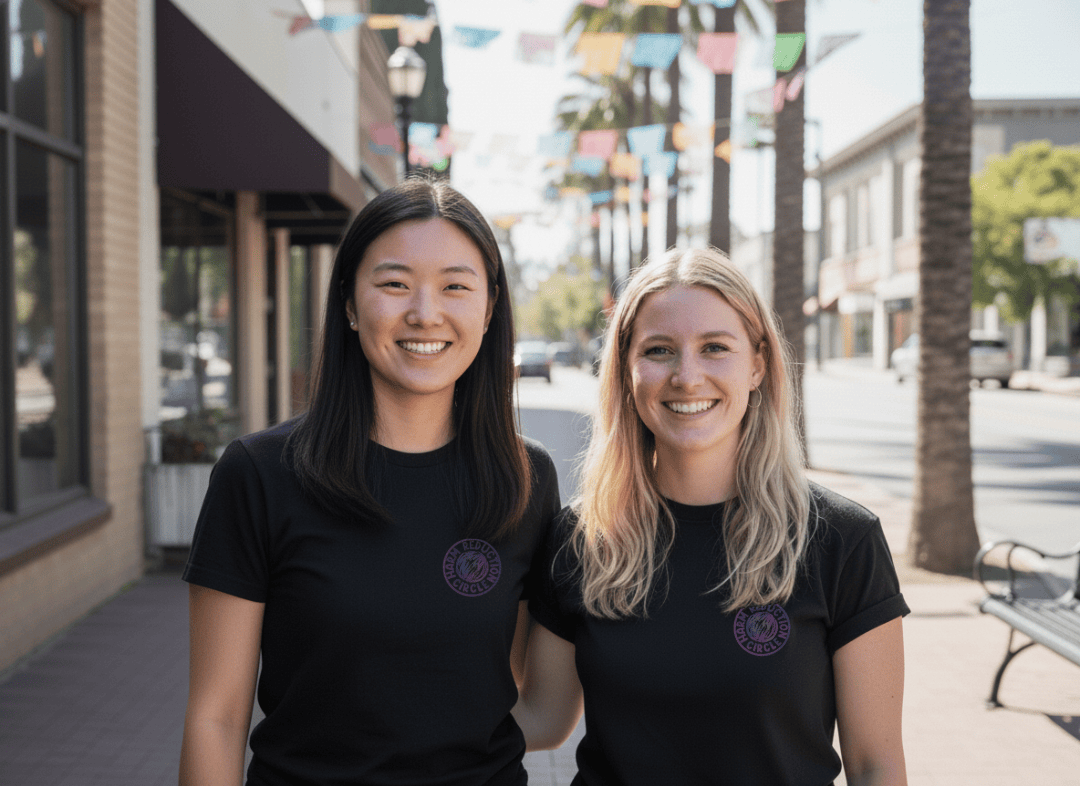
Through workshops, case studies, and hands-on practice, participants learn:
Trauma-informed engagement
Cultural humility & anti-stigma practice
Motivational interviewing skills
Overdose recognition & naloxone administration
Safer-use strategies & fentanyl test strip education
Navigating Medi-Cal, MAT, SUD treatment, and social services
Crisis intervention & safety planning
Ethical boundaries and confidentiality
Proper documentation for outreach & health navigation
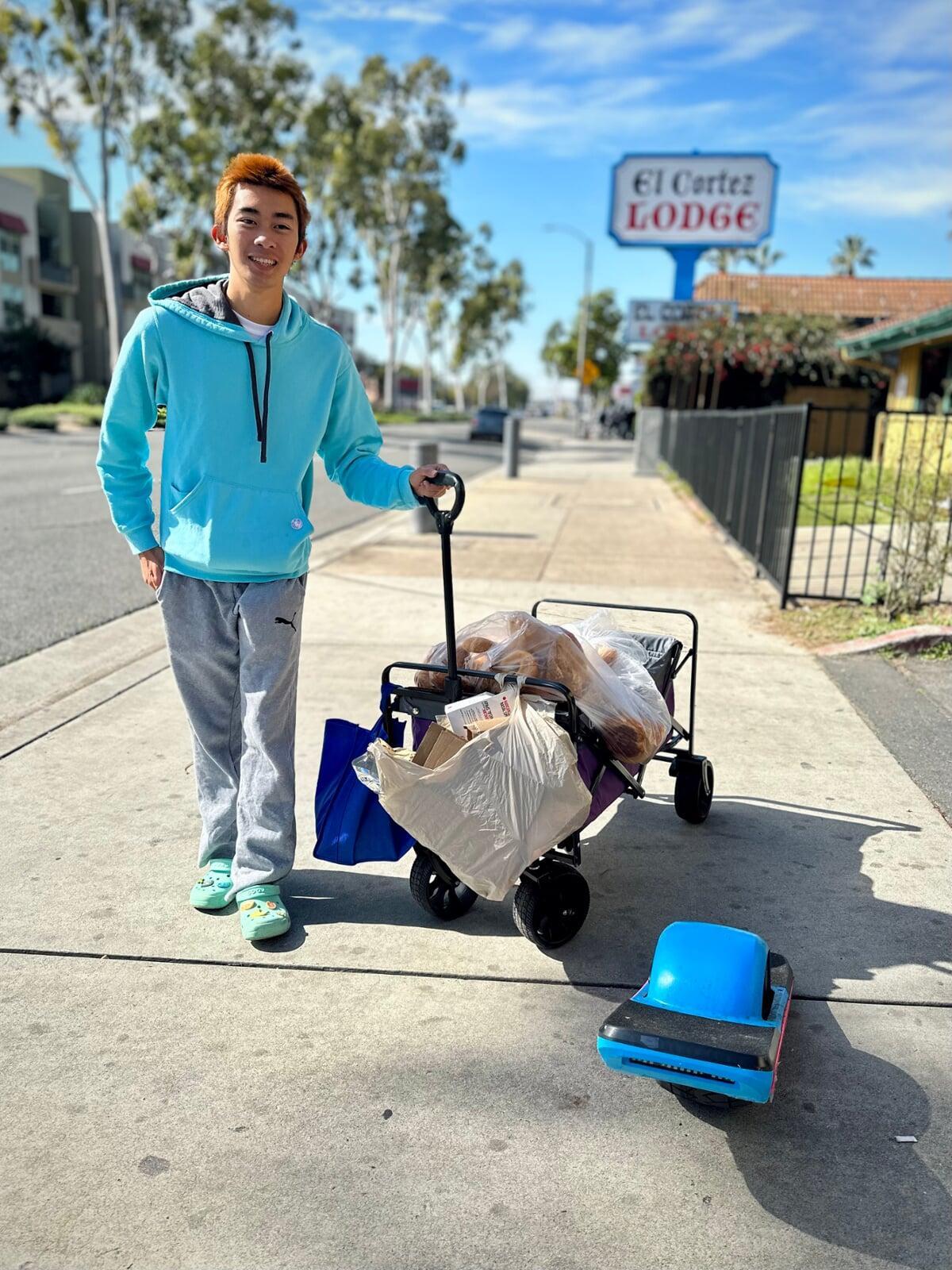
2. Field Practicum Experience
This is where learning becomes real.
Volunteers complete supervised field hours at one or more outreach sites:
Encampments and riverbeds
Motels & high-risk corridors
Drop-in centers & community hubs
Mobile outreach teams
Nightlife or festival harm reduction settings
Trainees practice:
Building rapport
Conducting informal assessments
Overdose-prevention education
Care coordination & warm handoffs
Encounter documentation
Applying harm reduction tools in active field environments
3. Competency Evaluation & Certification Process
To earn a CHW Certificate of Completion through Harm Reduction Circle, trainees must complete:
Upon successful completion, trainees receive a CHW Certificate of Completion recognized by supervising Medi-Cal providers.
Perks of Becoming a Certified CHW Through Harm Reduction Circle:
Graduates of the program gain far more than a certificate. Benefits include:
1. Eligibility for Paid CHW Roles
Your certificate can be recognized by Medi-Cal supervising providers, opening doors to:
Behavioral health navigation jobs
Harm reduction outreach positions
MAT/SUD program CHW roles
Housing navigation teams
County and nonprofit CHW employment pathways
2. Training or Experience Pathway
Become proficient in:
Overdose prevention
Safer-use education
Fentanyl test strip use
Crisis response
Real-world engagement with high-risk communities
3. Professional Development
Graduates receive:
Resume assistance
Letter of recommendation (upon request)
Priority placement for HRC events & leadership opportunities
Direct introduction to partner agencies hiring CHWs in Orange County
4. Recognition as a Trusted Community Leader
CHWs are the bridge between communities and care—your role directly improves:
Overdose survival rates
Health access
Housing stability
Community safety and public wellness
5. Ongoing Support
HRC provides:
Annual CE training opportunities (required by Medi-Cal)
Peer support spaces
Continued mentorship
Access to advanced workshops
Why This Program Matters in Orange County:
Overdose deaths in OC continue to rise. Fentanyl is present in nearly every drug supply. Thousands of residents navigate homelessness, behavioral health needs, and complex systems with little support.
We need people who understand—people with lived experience, empathy, and commitment.
That’s where CHWs come in.
You are the connectors.
The advocates.
The people who show up.
The ones who change outcomes every single day.
Ready to Take the Next Step?:
If you're passionate about harm reduction, community care, and supporting some of the most impacted residents in Orange County, we’d love to have you join our Community Health Worker (CHW) Certification Training Program, fully aligned with Medi-Cal’s CHW requirements.