
Mission & Vision in New Hampshire
Local Focus & Peer-Led Model
Why New Hampshire Is at a Critical Point
- A State in Crisis: New Hampshire’s overdose death rate is over 50% higher than the U.S. average (36 per 100,000).
- Severe Barriers to Access: New Hampshire ranks 49th in per-capita public transit funding, leaving many rural residents 30+ miles from care.
- Critical Funding Gaps: Although syringe services programs are authorized under state law, no state operational funding exists. Programs like ours operate entirely through grants and community donations to keep people alive.
Public Health
Out of all 50 states plus the District of Columbia (51 total), New Hampshire ranks third from the bottom, meaning:
It has low naloxone dispensing rates, meaning fewer doses of naloxone are distributed per capita.
It shows limited access to community-based prevention messaging (e.g., fewer programs reaching youth or the general public with evidence-based substance use education).
It has relatively fewer pharmacies or health care access points where overdose prevention resources may be available.
A higher proportion of adults lack a personal doctor or primary health care provider, suggesting structural barriers to care.
Overdose Deaths in 2024
Nationally, the average rate of opioid overdose deaths in 2024 was 16.3 per 100,000 people, with a total of 54,743 deaths nationwide, a significant decrease from overdose rates in 2023. According to the CDC, 30,000 fewer people died from an opioid overdose in 2024 compared to 2023. The highest rates of opioid overdose in 2024 were in New Hampshire and Maine, both with an overdose rate of over 100 per 100,000 people in the state population.
New Hampshire had:
109.55 deaths per 100,000 people,
1,536 total deaths,
The highest overdose death rate in the entire United States.
Maine followed closely behind at 104.82 deaths per 100,000, and New Mexico ranked third at 82.06 per 100,000.
- New Hampshire’s overdose mortality rate was nearly seven times the national average, underscoring a severe public health emergency.
While total deaths (1,536) are smaller than in more populous states like California or New York, the per-capita rate reveals an outsized impact relative to population size.
How We Provide Support
Syringe Services & Safe Disposal
At the heart of our work in New Hampshire is our state-authorized Syringe Services Program (SSP) — designed to prevent the spread of infectious diseases and reduce community harm. We provide confidential exchange of sterile injection supplies and ensure safe sharps collection and disposal in accordance with RSA 318-B:43. Every exchange is judgment-free and discreet, allowing participants to protect their health and safety without fear of stigma or reprisal.
Peer Support
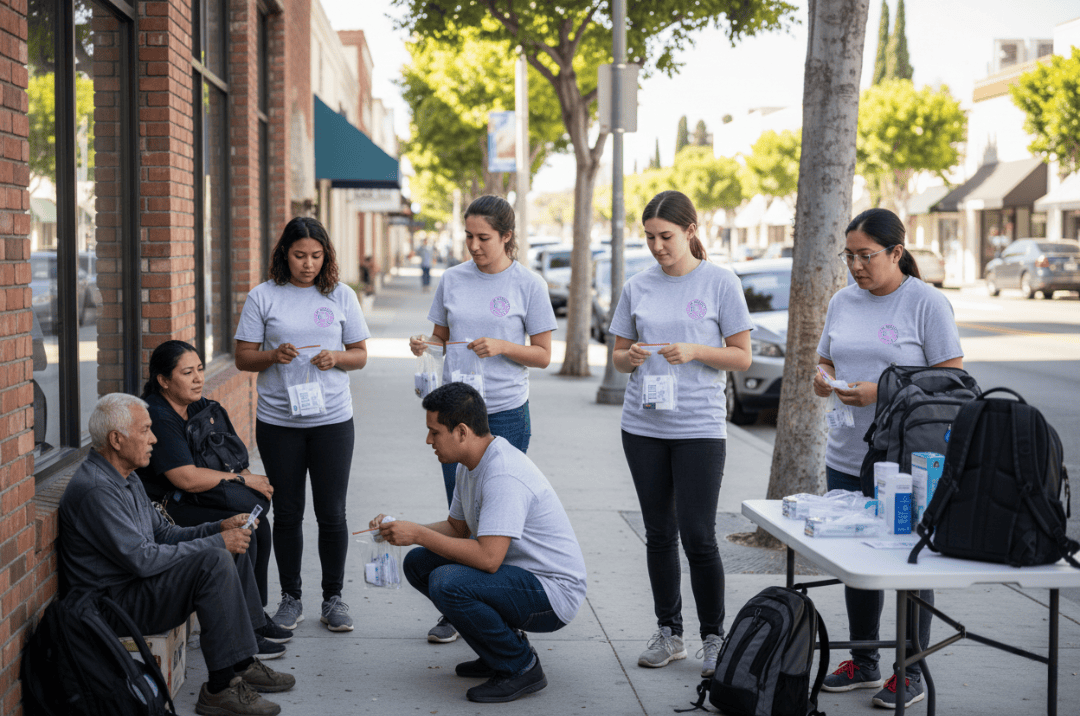
Our outreach is powered by people who have lived it. Our trained peer volunteers—many with lived or living experience—build trust through understanding, compassion, and shared experience. Whether offering nonjudgmental listening, practical strategies for safer use, or emotional support through crisis moments, our peers meet people where they are.
We know that connection saves lives. Every interaction centers on relationship-building, empowerment, & dignity.
Resource Navigation
Our team provides one-on-one navigation support to connect participants with essential health and social services, including Medication-Assisted Treatment (MAT), HIV/HCV testing and care, housing, mental health resources, and primary medical care. When someone is ready for treatment or additional services, we provide warm handoffs—staying with them until they are safely connected to a trusted provider. Plus, we always ensure every resource is up-to-date.
Message from HRC's Founder
“Taking care of New Hampshire holds deeply personal meaning for me. I was born and raised here — these are the communities that shaped my values and the people who first taught me what compassion and resilience look like.
When I founded Harm Reduction Circle, I knew our work had to reach back home. This is more than a program; it’s a homecoming. Every naloxone kit distributed, every conversation, and every life saved is a way of giving back to the state that raised me.
Our mission in New Hampshire is to make sure no one is left behind — no matter their zip code, background, or circumstance. Together, we’re breaking down barriers of geography, stigma, and policy so every resident has access to the care, dignity, and safety they deserve.”
— Annastasia Rose Beal, Founder & Executive Director, Harm Reduction Circle
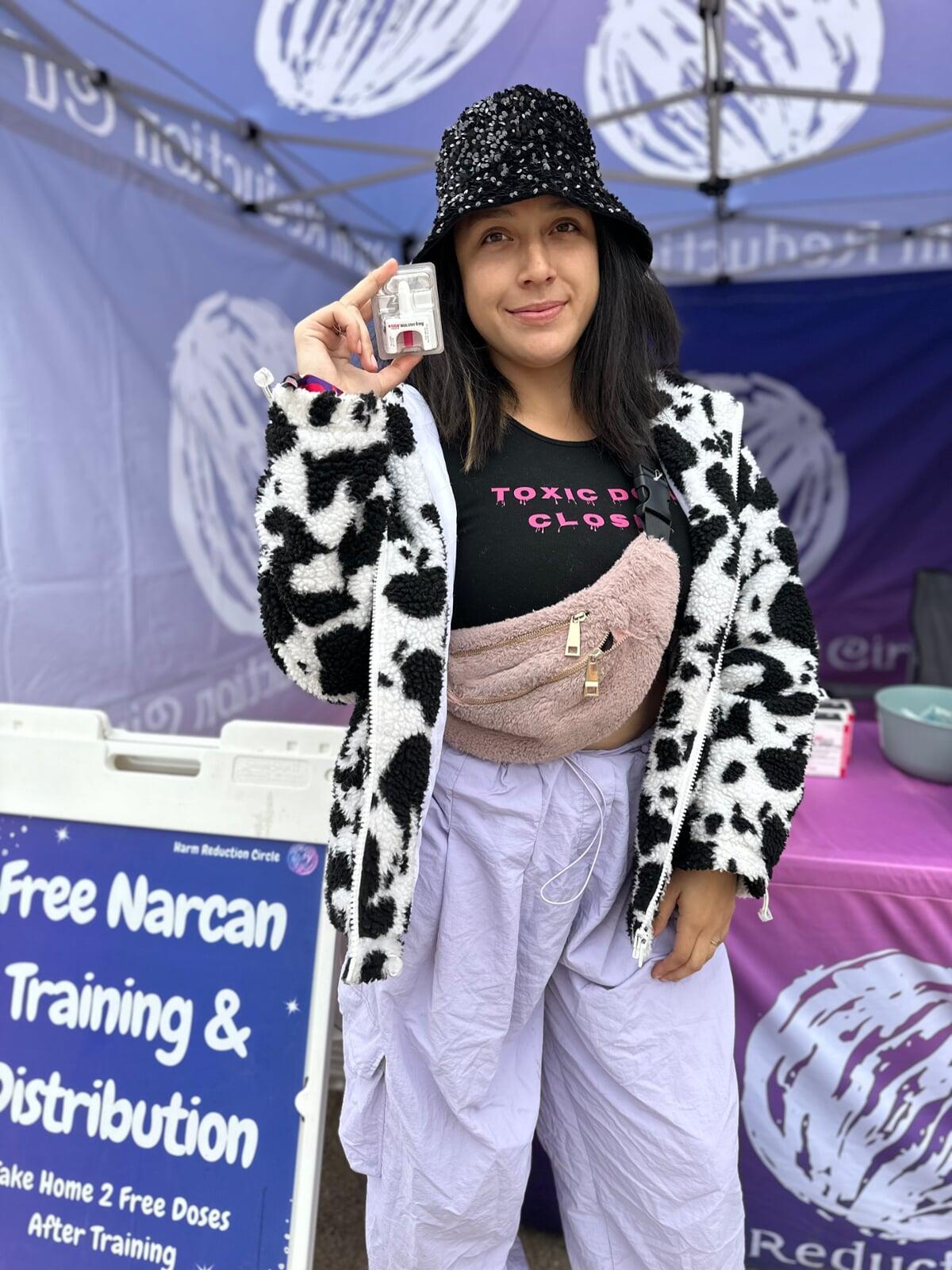
We are Seeking Local Throughout the State of NH!
Join Harm Reduction Cicle & support our work in the state of New Hampshire. Multiple roles are available that are aligned with NH’s Syringe Services Program infrastructure, including direct services for PWID, HIV/HCV prevention, linkage to care, and data collection.
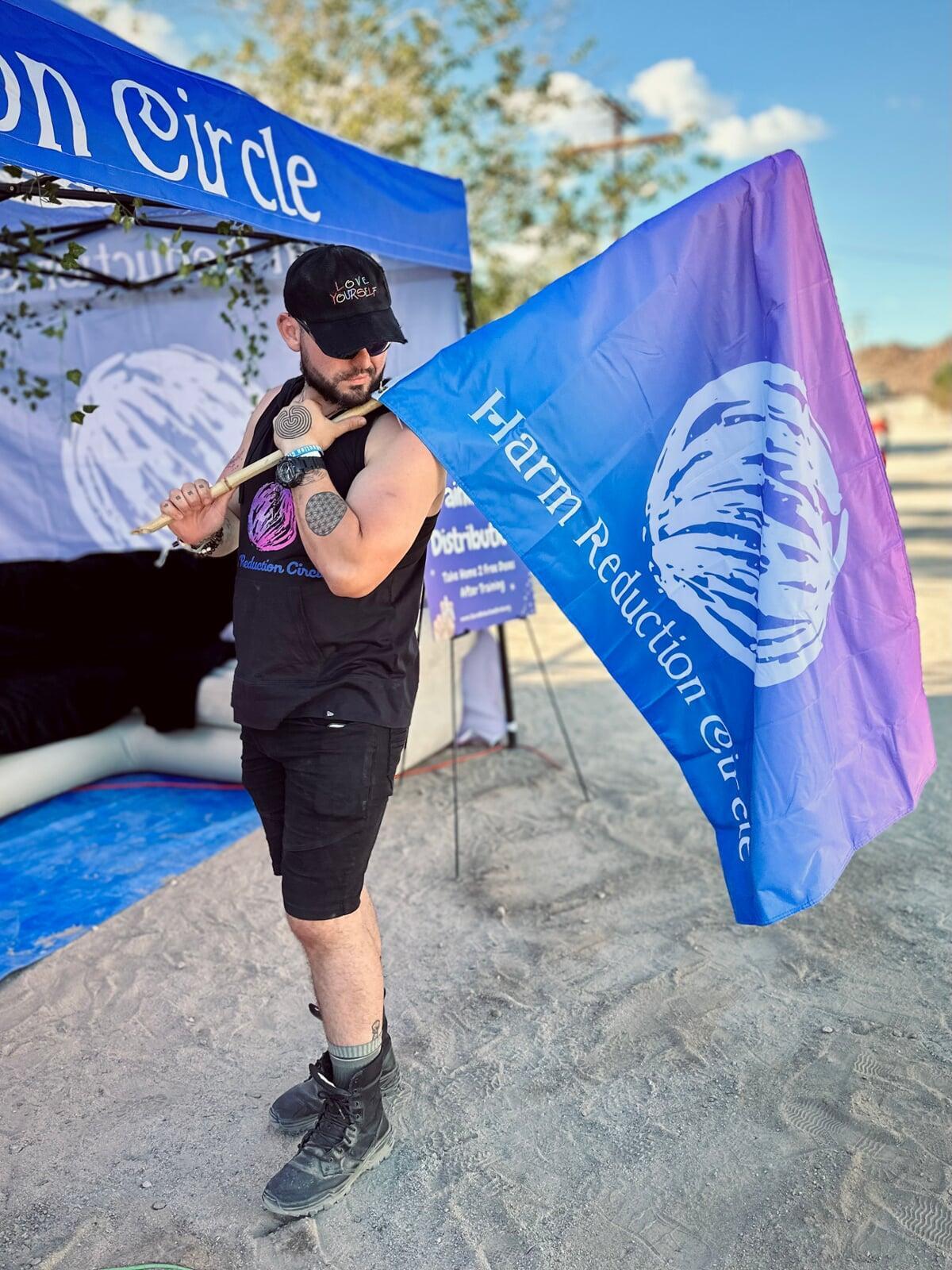
Proudly Serving the State of New Hampshire
Donations make it possible for our peer-led teams to provide free naloxone, safer-use supplies, and compassionate care across New Hampshire’s towns and rural communities. Your support ensures that life-saving tools reach those most in need — no barriers, no stigma, just care that saves lives.
Additional Services & Initiatives
We offer so much more than what you think!