LA Weekly
How Harm Reduction Saves Lives in the Nightlife Scene & Beyond
Published: November 24th, 2025
Written By: Matt Emma
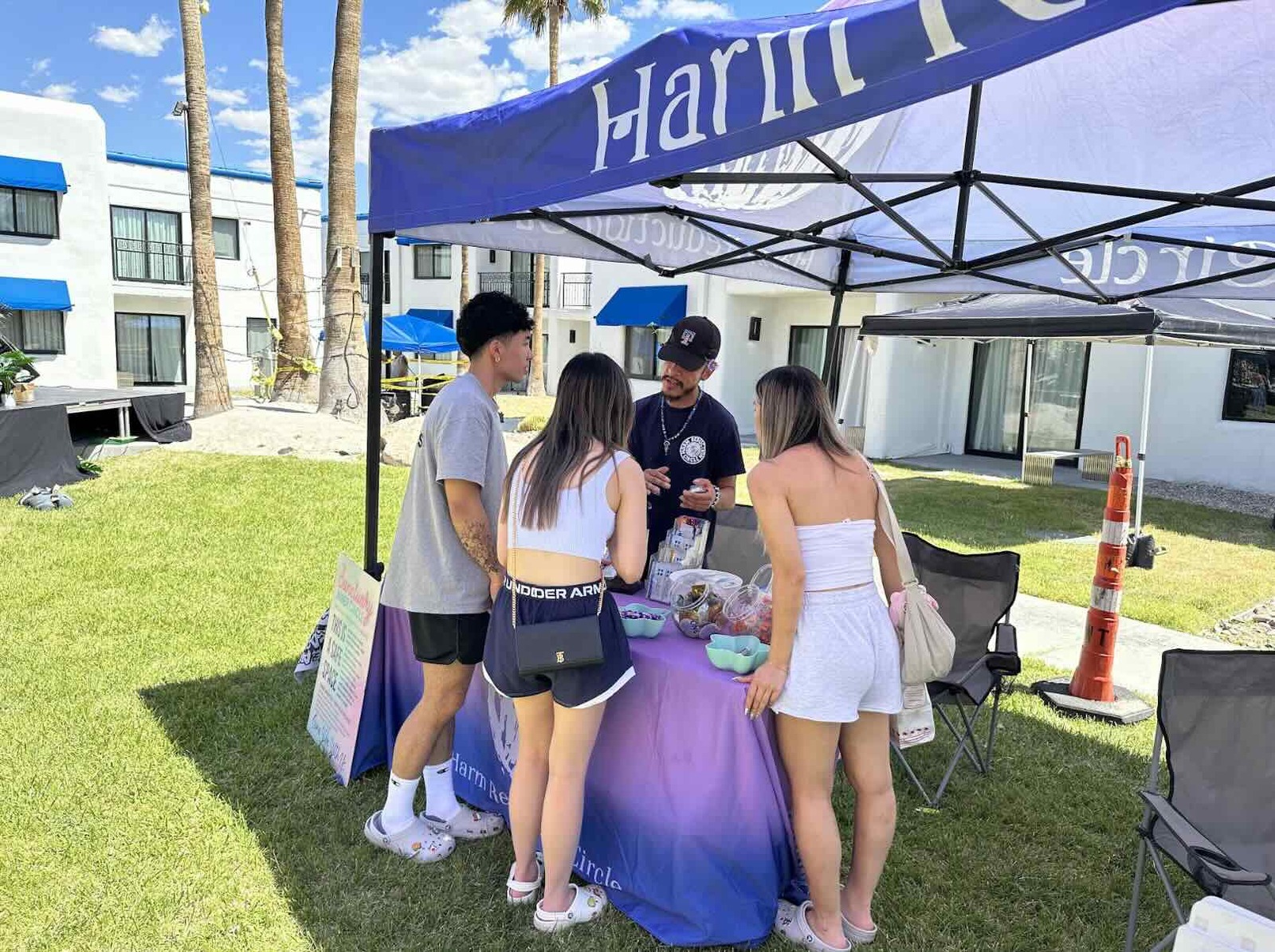
Rave and festival communities have long embraced a culture of mutual care, where people naturally keep an eye on one another and support those around them. Whether it is at raves, clubs, or even underground dance events, those who attend or work at these venues are constantly looking out for one another. This is not just to ensure that the scene remains upbeat, but also to prevent danger from occurring within it.
While not every situation can be predicted, communities benefit from having tools and knowledge that support safer, more confident decision-making. This is why community harm reduction for overdose prevention, such as that run by Harm Reduction Circle, is not just significant but lifesaving.
Community Care: Born In the Nightlife, Continued Outside of It
While most are aware of the dangers that can occur during a night of clubbing, the reality is that accidents can happen, and sometimes, potentially end in serious harm. This reality contributed to the development of programs that offer overdose response while also focusing on proactive education, community care, and strategies that support safer use.
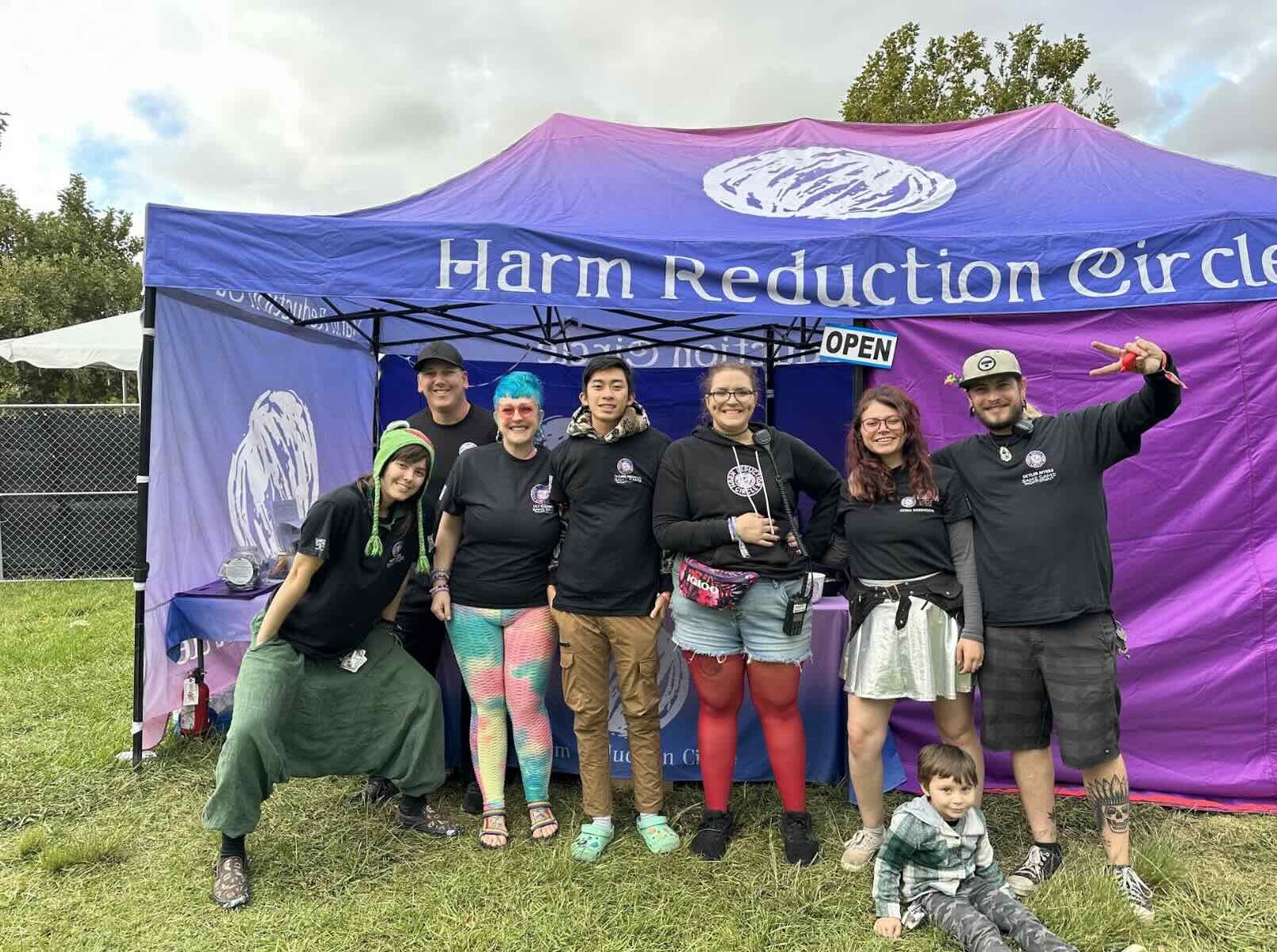
Harm Reduction Circle, a peer-led harm reduction organization, was founded on the principle that safety can be integrated into nightlife culture in ways that are not only affirming but also non-judgmental. The organization believes in the shared idea that responsibility in the nightlife scene, including raves, festivals, and underground dance spaces, extends beyond individual protection to encompass a community-based approach.
“We witnessed friends supporting one another through difficult situations,” a member of the organization shares. “Community care was already ingrained in the culture; it simply lacked a name.
Overcoming the Stigma of Substance Use
Stigma surrounding substance use can make it difficult for some venues to feel confident introducing harm reduction services, often because they worry these efforts will be misinterpreted. But harm reduction isn’t an admission of risk; it supports the culture of care that already exists in nightlife spaces. When these tools are present, events run more smoothly, medical incidents decrease, and the relationship between organizers and their communities becomes stronger.
In fact, incorporating evidence-based harm reduction practices in nightlife settings not only reduces medical emergencies and other drug-related harms, but also protects guests, staff and crew, and the venues themselves. When events include designated areas for distributing naloxone and fentanyl test strips, offer peer-led support, and implement clear strategies for addressing drug-related situations, the entire environment becomes safer and more coordinated. These approaches give people the information and tools they need to make informed decisions about substance use and create a space where non-life-threatening concerns can be addressed without pulling medical personnel away from true emergencies.
To combat the challenges of stigma in nightlife settings, Harm Reduction Circle aims to:
- Normalizing naloxone as a standard part of rave etiquette, rather than a tool reserved for emergencies only.
- Modeling harm reduction through visibility.
- Providing non-judgmental education that acknowledges joy, autonomy, and a sense of belonging.
- Collaborating with event organizers while creating care spaces that feel culturally authentic.
“Our resilience comes from the culture we emerged from,” a member of Harm Reduction Circle says. “We take care of one another because this care has always come from the community itself.”
Supporting People Through Community Care with Safer Partying
What started as a small, peer-led initiative that brought harm reduction to nightlife settings, Harm Reduction Circle grew into a regional program that has normalized overdose prevention and readily accessible naloxone in places like bars, restaurants, college campuses, and community centers. Beyond serving thousands of festival and nightlife attendees, they’ve partnered with small business owners, law enforcement, and elected officials and expanded to reach communities and individuals from diverse backgrounds.
Community safety is strengthened through small but meaningful actions like carrying naloxone, understanding how to respond to an overdose, volunteering locally, or making a donation. Every action contributes to maintaining community-driven harm reduction initiatives, reducing drug-related harms, and protecting the well-being of friends, families, and neighborhoods.
People from all walks of life can take action by contacting Harm Reduction Circle to request free harm reduction supplies and learn overdose prevention techniques. These resources equip anyone—regardless of background or experience—with the knowledge and tools needed to recognize and reverse an overdose, helping keep friends, families, and communities safer.